
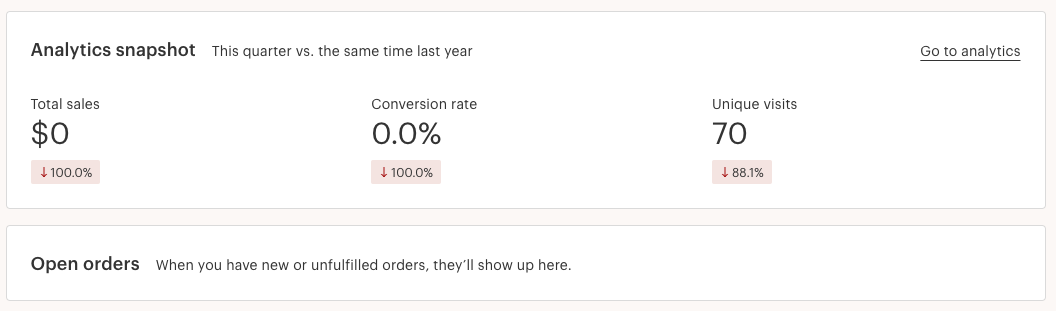
Have you ever logged into your Faire dashboard after weeks of quiet portal activity and wondered why independent boutiques visit your shop page, glance around, and leave without placing an order?
You spent endless hours uploading high-resolution lifestyle photography, writing detailed product descriptions, and setting up what you believed to be competitive wholesale pricing. Yet, your store seems stuck in the endless sea of thousands of competing brands. You are not alone.
Most independent brand founders launching on digital wholesale platforms find themselves trapped in a cycles of guess-and-check marketing. They constantly change product tags, tweak minimum order quantities on a whim, or run random promotional discounts, hoping something will trigger the platform algorithm.
The reality of modern B2B e-commerce is that hope is not a sales strategy. To turn a quiet storefront into a predictable engine of repeat stockist orders, you need an intentional, structured approach. That is precisely why having a customized, execution-focused 90-day growth roadmap on Faire wholesale changes everything for growing brands.
In this deep dive, we will explore why standard direct-to-consumer tactics fail in the wholesale market, how to identify hidden conversion bottlenecks on your storefront, and how a step-by-step 90-day strategy transforms casual platform browsers into loyal, lifetime retail partners.
Why Did My Faire Sales Drop Suddenly? The Marketplace Diagnosis Guide
The Illusion of Automatic Wholesale Success
When founders first hear about platforms like Faire, the value proposition sounds deceptively simple. You sign up, list your products, and suddenly gain access to hundreds of thousands of verified retail buyers actively looking for unique merchandise.
However, what happens when the initial platform onboarding high wears off?
Many brand owners find that simply opening a store does not guarantee consistent sales volume. The digital wholesale market operates under vastly different rules than consumer-facing storefronts. On retail websites, a single impulse purchase can be driven by visual aesthetics or a brief social media ad.
In wholesale, boutique owners are taking a financial risk on your inventory. Every dollar they spend with your brand is a dollar locked up in shelf space, and they are evaluating your storefront through a hyper-analytical lens.

When a retail buyer lands on your product page, they immediately begin calculating margin sanity, assessing your minimum order quantities against their store footprint, checking your order fulfillment track record, and searching for proof of strong sell-through rates. If your shop backend has miscalibrated tags, confusing variant structures, or pricing logic that eats into their profit margin, they will exit within seconds.
Without a targeted roadmap to address these hidden friction points, brand owners usually resort to one of two costly mistakes:
They continuously drop their wholesale prices or offer massive discounts, destroying their own profit margins.
They abandon active management altogether, assuming their product simply does not appeal to independent stockists.
Neither conclusion is correct. In most cases, the issue is not the product line itself; it is the absence of a deliberate strategy to position, optimize, and market that product line inside the specific mechanics of the marketplace.
What Exactly Is a 90-Day Wholesale Growth Roadmap?
A 90-day growth roadmap is not a generic checklist of basic task items like "upload new photos" or "post on social media." It is a diagnostic blueprint tailored specifically to your catalog structure, price architecture, and category positioning.
Why ninety days? Three months represents the ideal strategic window in wholesale operations. It provides enough time to implement core structural changes, observe how the platform algorithm responds to search optimization, and track real-world buyer reorder cycles across different retail quarters.
A comprehensive growth plan addresses three foundational pillars of wholesale success:
Phase 1: Diagnostic Optimization and Search Architecture (Days 1 to 30)
Before you throw energy into driving traffic, your storefront must be built to convert. The initial thirty-day focus centers on foundational mechanics.
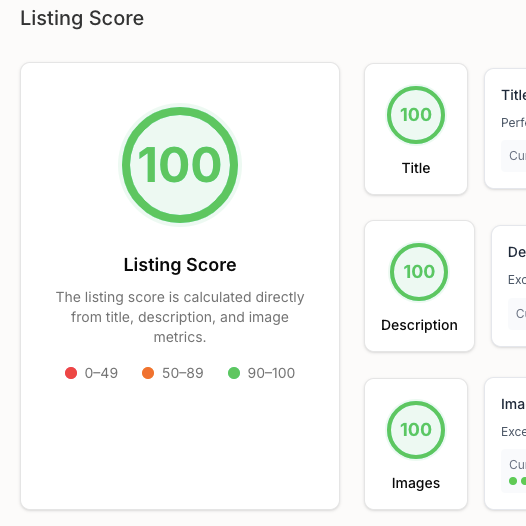
Backend Keyword Mapping: Are you using the specific terms retail buyers search for when sourcing inventory, or are you using creative internal product names that nobody types into a search bar?
Category and Sub-Category Alignment: Are your products placed in the exact algorithmic taxonomies that maximize organic index placement?
Margin and Minimum Order Quantity Calibration: Are your MOQs set at a level that encourages trial orders without overwhelming a boutique owner’s cash flow?
Listing Clarity and Variant Cleanliness: Is it effortless for a buyer to choose colorways, pack sizes, and display options without confusion?
Top Reasons to Choose Sona Wholesale Consulting for Faire SEO
Phase 2: Buyer Activation and Ecosystem Integration (Days 31 to 60)
Once the store foundation is airtight, the second month transitions into active buyer engagement and platform integration.
Faire Direct Utilization: Are you actively leveraging commission-free ordering tools to convert direct leads and existing contacts into platform orders?
Targeted Promotional Sequencing: Are your brand promotions aligned with major market trade events and seasonal buying cycles, rather than arbitrary calendar dates?
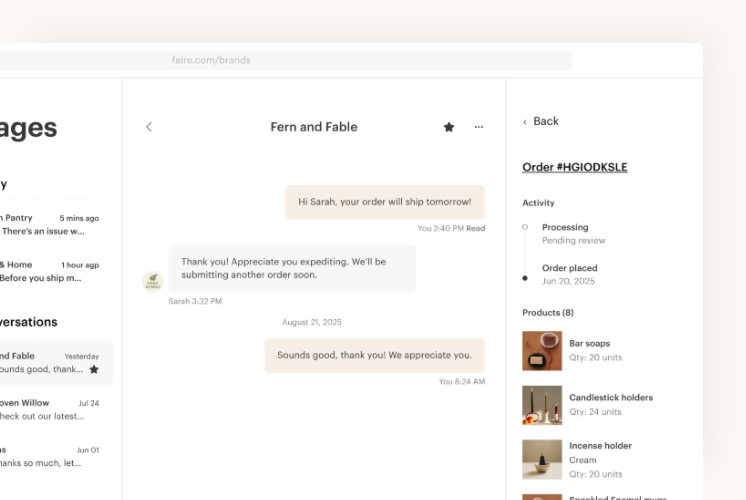
Automated Customer Segmentation: How are you separating first-time trial buyers from high-volume repeat stockists in your messaging streams?

Phase 3: Reorder Velocity and Outbound Expansion (Days 61 to 90)
The final thirty days focus on turning one-off purchases into long-term accounts and proactively sourcing prospective retail partners.
B2B Reorder Campaigns: What structured follow-up sequences trigger right when a retailer is running low on inventory?
Review and Social Proof Generation: How are you actively gathering retailer feedback and reviews to build algorithm-boosting trust badges?
Outbound Pipeline Execution: How are you identifying and contacting off-platform boutique leads to invite them directly to your wholesale portal?
The Ultimate CRM Strategy Checklist for Brands: How to Turn One-Time Buyers into Repeat Stockists
Why Guesswork Costs More Than You Think
Many founders ask: Can't I just figure out Faire optimization on my own over time?
While trial and error is always an option, it comes with hidden operational costs that few brands account for.
1. The Cost of Missed Seasonal Buying Windows
Retail buyers shop months ahead of the consumer calendar. Boutiques source their autumn and holiday inventory during mid-year trade cycles, and spring collections are planned long before winter hits. If your storefront is misconfigured or invisible during these key sourcing windows, you do not just lose a few weeks of sales; you lose an entire seasonal revenue cycle. A structured 90-day roadmap ensures your catalog is fully optimized before peak buying seasons open.
2. Algorithmic Suppressive Loops
Marketplace search engines favor active, high-converting storefronts. When retail buyers land on your listings and leave without purchasing, your conversion rate drops. Over time, search algorithms interpret low conversion as a sign of low relevance, pushing your products further down the search ranks. Fixing these conversion leaks quickly protects your store’s organic ranking position.
3. Exhausting Your Direct Contact List
Your existing contact list of prospective stockists is one of your most valuable business assets. If you invite those potential partners to a Faire storefront with unclear tier pricing, high minimum order barriers, or confusing product options, you risk losing their business permanently. Optimizing your storefront layout before launching direct outreach ensures that every lead you generate sees a polished, professional brand.
How to Find & Reach Out to Retailers: A Proven Lead Generation & Outreach System

Key Signs Your Storefront Needs a Strategic Overhaul
How do you know if your wholesale operations require a formal growth strategy? If your brand is experiencing any of the following challenges, it is time to reassess your approach:
High Impression Counts with Zero Conversions: Your store analytics show that buyers are viewing your listings, but almost no one is adding items to their cart.
Low Average Order Value (AOV): Retailers only purchase your lowest-priced items or smallest pack sizes, avoiding your core collections.
One-and-Done Buyers: You receive initial trial orders, but retailers rarely come back to place a reorder after thirty or sixty days.
Over-Reliance on Platform Ads: You only generate sales when paying for sponsored placements, indicating that your organic search performance is falling flat.
Confusion Around Shipping or Lead Times: Buyers regularly message you with basic logistical questions that should be clearly stated on your shop banner and policy sections.

Turning Casual Browsers into Repeat Retail Partners
The ultimate goal of a 90-day wholesale strategy is not just acquiring single orders; it is building a network of predictable, recurring B2B stockists.
Think about the lifetime value of a single boutique account. A direct-to-consumer customer might purchase a $50 item once or twice a year. A dedicated retail partner might place a $600 reorder every single month. Securing just ten loyal, high-volume retail partners can completely transform the financial stability of an independent brand.
To build that kind of partner network, your storefront must convey operational reliability, product quality, and retail-ready professionalism from the very first click.
When you eliminate backend friction, align your listings with buyer expectations, and establish proactive communication systems, you stop fighting for temporary attention. Instead, you create a self-sustaining wholesale channel that grows steadily quarter after quarter.
How to Turn Your First Wholesale Sale Into a Long-Term Retail Relationship
Frequently Asked Questions
How long does it take to see organic search improvements on Faire?
Initial index updates can occur within days of updating backend tags and product titles. However, significant ranking movements typically take between three to six weeks of consistent performance. Algorithms measure customer conversion rates, click-through metrics, and shop activity over time, which is why a full ninety-day evaluation window is essential for measuring lasting performance gains.
Can I implement a 90-day growth roadmap if I have a small product catalog?
Yes. In fact, brands with smaller catalogs often benefit even more from a structured strategy. When you have fewer SKUs, each individual listing must perform at its peak. Optimizing your collection arrangement, minimum order quantities, and product tag architecture ensures that a focused product line commands maximum authority and conversion potential.
What is the difference between direct outreach and Faire Direct?
Faire Direct is a platform feature that provides a customized link for your brand. When buyers order through your specific link, you pay zero commission fees on their orders, and the buyer receives platform perks like flexible payment terms or shipping credits. Outbound direct outreach is the strategy of identifying targeted retail stores off-platform and inviting them to use your direct link to place their wholesale orders.
Why should I focus on wholesale management alongside my consumer-facing website?
Wholesale management offers cash-flow predictability and volume manufacturing benefits that consumer channels rarely match. While consumer sales fluctuate based on ad spend and algorithm changes, established B2B stockist accounts provide recurring, scheduled revenue that stabilizes your operations and funds product development.

Take Control of Your Wholesale Growth
Scaling an independent brand on digital marketplaces does not have to feel like playing a game of chance. By moving away from random updates and embracing a clear, targeted 90-day execution plan, you can systematically remove store friction, boost search visibility, and build a thriving network of retail stockists.
If you are ready to stop guessing and start growing, now is the time to evaluate your store backend, refine your wholesale strategy, and map out your path to long-term retail success.
Learn more about our Faire Audit & 90-Day Growth Roadmap Service.
