
You’ve built an incredible brand, your products are retail-ready, and you’re listed on platforms like Faire or Shopify B2B. But now comes the question that plagues every wholesale business:
How do I find the right retailers, and how do I get them to actually open my emails and place an order?
For too many brands, "wholesale outreach" means buying a generic list of boutique emails and blasting them with a "copy-paste" pitch. This spray-and-pray method is not a strategy; it’s a recipe for low open rates, high unsubscribe counts, and a complete waste of time.
To succeed in the modern wholesale market, you need a system. At Sona Wholesale Partners, we’ve perfected a qualified lead generation and outreach framework designed to identify your ideal stockists and initiate relationships that convert into long-term partnerships.
Here is the step-by-step system for finding and reaching out to retailers who will actually buy your products.
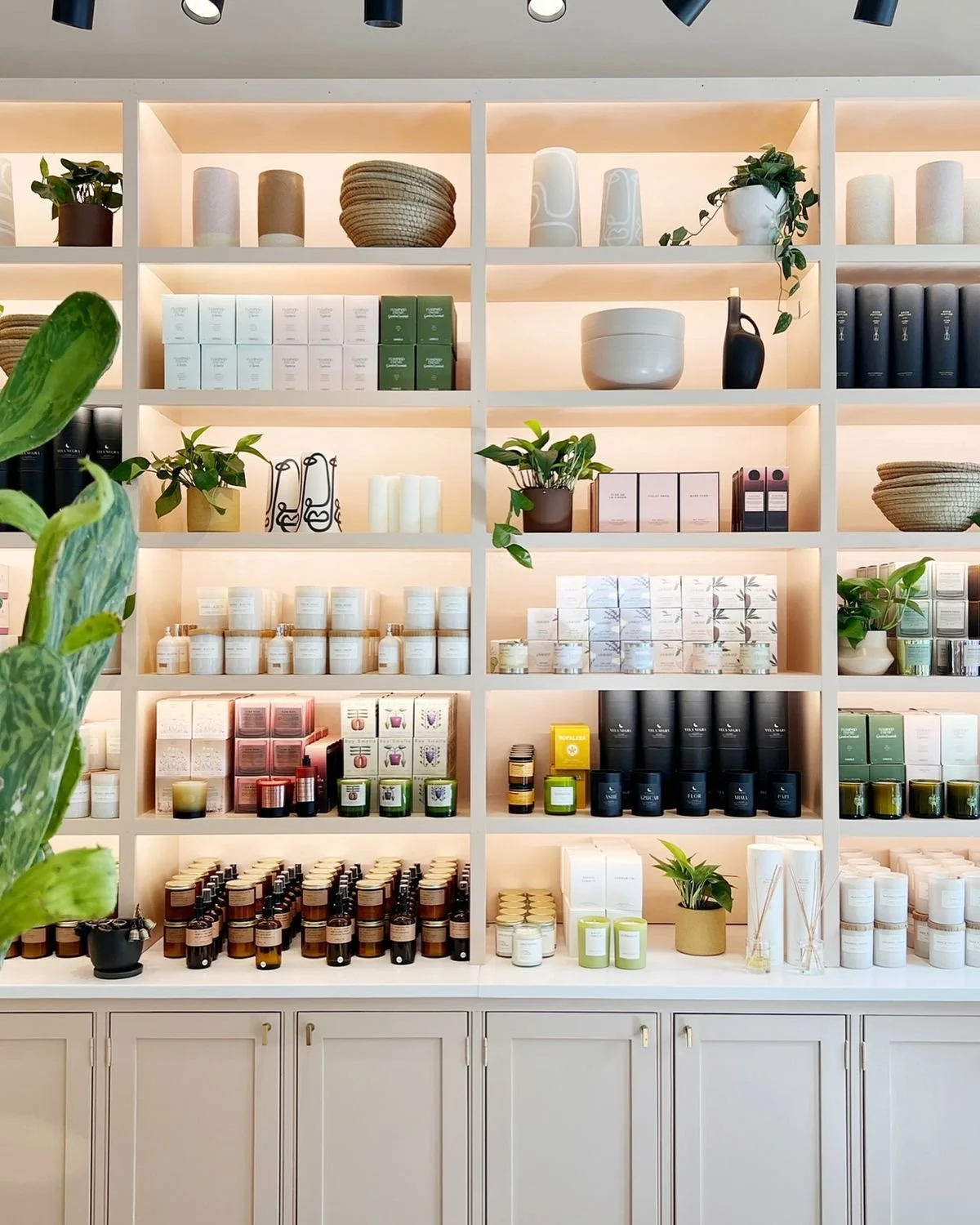
Phase 1: The "Honeypot" Strategy—Defining Your Ideal Stockist (Lead Qualification)
Before you send a single email, you must define who you are looking for. Not every retailer is your retailer. Reaching out to a mass-market gift shop when you sell high-end, hand-poured luxury candles is a strategic failure.
To build a highly qualified lead list, you must first build your Ideal Stockist Profile (ISP).
Step 1: Define Your "Perfect Fit" Retailer
Analyze your best-performing products and your existing top-tier stockists. What do they have in common?
What is their aesthetic? (Minimalist, Bohemian, Eclectic, Modern farmhouse?)
What is their price point? (Are they a discount shop, a "mid-tier" gift boutique, or a luxury retailer?)
What other brands do they carry? (Do they stock complementary, non-competing brands that serve your same audience?)
What are their values? (Are they passionate about sustainable product sourcing, women-owned brands, or local artisans?)
Step 2: Score Your Leads (Before Research)
A great B2B lead generation system uses scoring. Don't treat a "maybe" the same as a "perfect fit." When you find a potential retailer, score them based on your ISP criteria. High-scoring leads get personalized outreach, low-scoring leads go into your bulk-but-curated newsletter list on Faire.
Phase 2: Where the Leads Are Hiding—Smart Lead Sourcing (Finding Retailers)
Once you know who you're looking for, you need to know where to find them. Forget generic email lists. You want active, engaged retailers.
1. The Marketplace Direct Search (Faire Optimization)
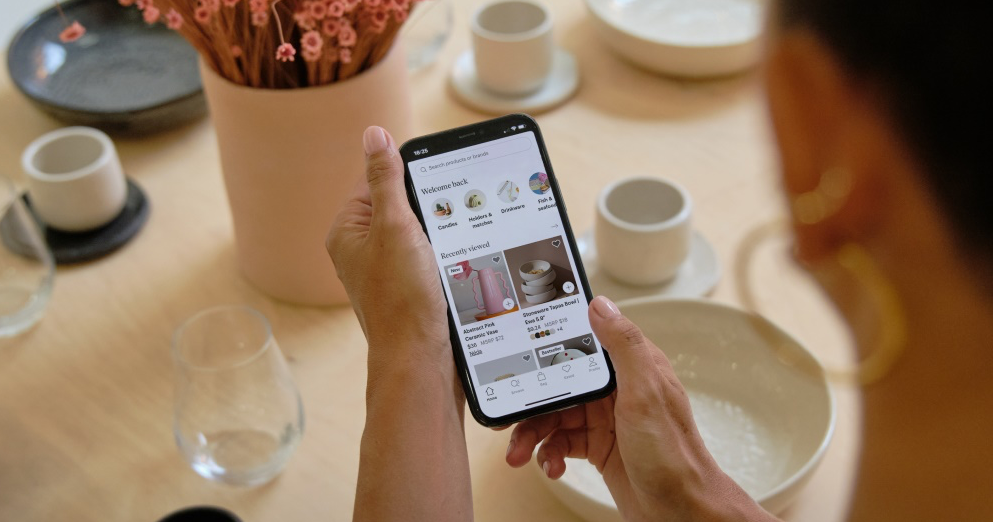
Faire is the elephant in the room for wholesale lead generation. The absolute best way to "find" retailers who buy on Faire is to optimize your own shop so they find you. This means optimizing your storefront by search terms and filters that retailers use, such as "low MOQ," "eco-friendly," or "free shipping."
But you can also use Faire defensively. Go to the shops of your complementary, non-competing brands. Look at their "stocked at" list or customer reviews. These are active retailers who are already buying products just like yours in volume.
2. Instagram: The World's Biggest B2B Catalog
For independent boutique sourcing, Instagram is unmatched. Retailers are highly active here.
Search by complementary brands: Go to a brand similar to yours, and click their "tagged" photos. You will see hundreds of small shops tagging that brand in their visual displays.
Search by local hashtags: If you are targeting a specific city (e.g., Chicago), search hashtags like #chicagoindieboutique, #shoplocalchicago, or #chicagogiftshop.
Use the "Suggested" arrow: When you find a perfect-fit shop, click the small dropdown arrow next to their "Follow" button. Instagram’s algorithm will immediately show you 20 other accounts just like that one.
3. LinkedIn: The Enterprise & National Retail Gateway
If you are looking to scale to national big-box retailers, your strategy must move to LinkedIn. This is where you find the Category Buyers and Merchandise Managers for major chains.
The Search: Use keywords like "Category Buyer + [Your Niche, e.g., Home Decor] + [Target Retailer, e.g., Nordstrom]".
The Lead: Your goal on LinkedIn is rarely an immediate sale. Your goal is to find the right name to put on your sample box or to initiate a connection that leads to a meeting.
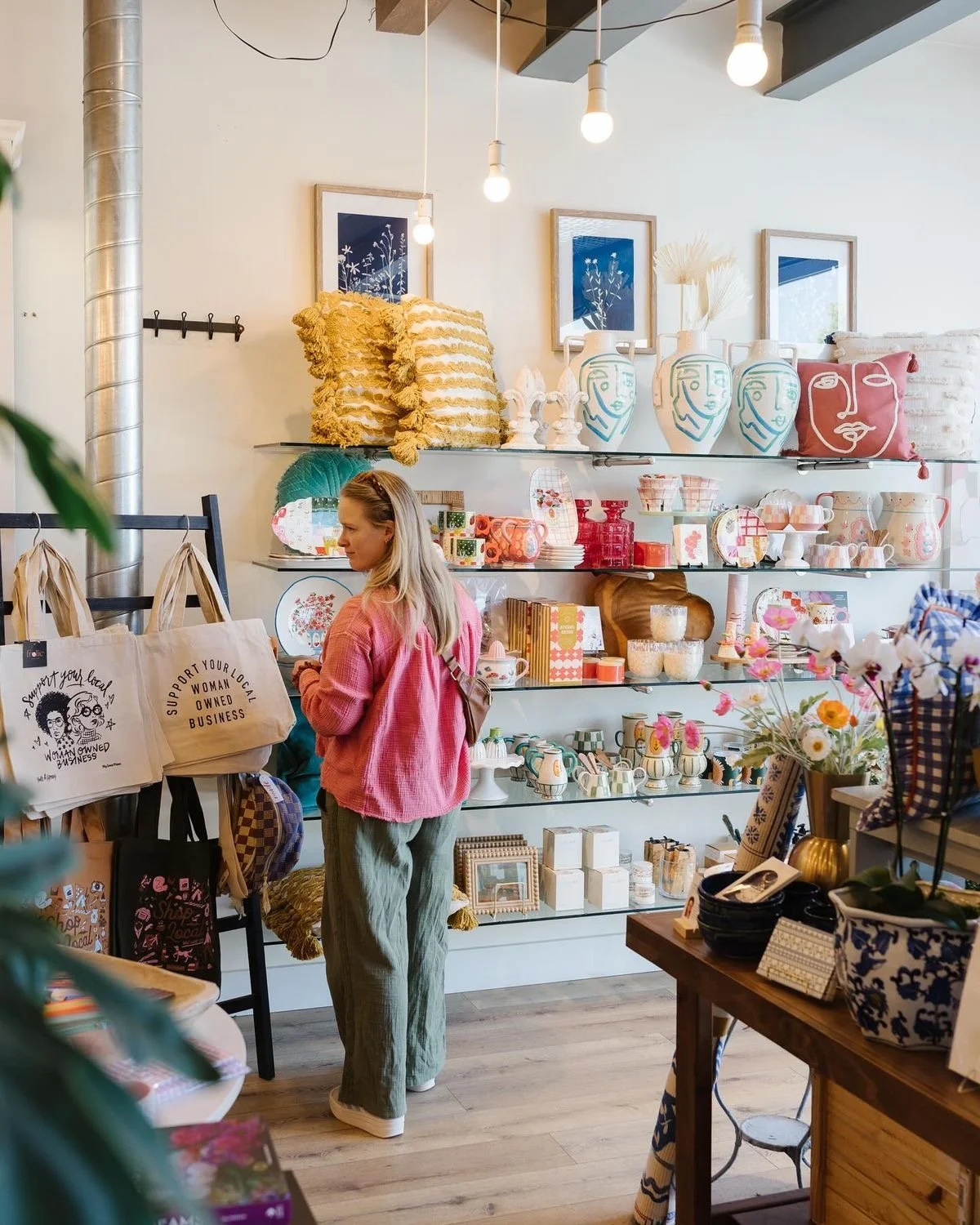
Phase 3: The Pitch that Converts—The B2B Outreach System (How to Reach Out)
The biggest mistake brands make is leading with a sale. A retail buyer receives dozens of "I want to sell to you" emails every day. To get them to open yours, you must lead with VALUE.
Here is the three-step framework for highly personal B2B outreach:
Step 1: The Value Hook (Lead with THEM, Not YOU)
The subject line and first sentence must immediately prove you are not a "copy-paste" spammer. Use your research. Mention something specific about their store.
“I loved your recent reel about the spring table display...”
“Congratulations on being named the best gift shop in [City]!”
“I was browsing your online shop and I thought your curation of [Complementary Brand] was fantastic...”
Step 2: The Alignment (The Solution, Not the Product)
This is where you connect their aesthetic to your product. You are not selling a "candle", you are selling a "highly curated solution for their customer base."
“Our minimalist, eco-friendly candles were designed for exactly that aesthetic...”
“Based on your price points, I think our [Product Line] would be a perfect margin-builder for you.”
Step 3: Lowering the Friction (The Low-Risk Call to Action)
The number one way to "close the deal" with a new boutique is to eliminate their risk. When reaching out, you must highlight your low MOQs and your opening order incentives.
“We know opening a new account can feel risky, which is why we offer a low opening MOQ so you can test our bestsellers...”
“I’d love to send you a curated catalog. If you’re open to it, I can also set you up with free shipping on your opening order so you can try us out risk-free.”
Phase 4: Beyond the Initial Pitch—The Long-Term Outreach Ecosystem
A high-converting lead generation and outreach system doesn't end after one email. The fortune is in the follow-up.
The Sample Strategy: If a major lead or a perfect-fit boutique shows interest, send them a sample box. This moves you from a "digital listing" to a tangible product in their hands. A beautiful sample kit with curated information and a clear incentive (like a volume discount code) achieves incredibly high conversion rates.
The Newsletter "Warm-Up": For the leads who aren't ready to buy right now, don't let them go cold. Segment these leads into a dedicated "Prospect" list. Send them a targeted B2B newsletter once a month that isn't just a "pitch," but offers value (e.g., retail trends, seasonal merchandising tips) to keep your brand top-of-mind between their purchasing cycles.
The Omnichannel Follow-Up: Use social media to follow up. If a retailer opens your email but doesn't reply, don't just email them again. Follow their Instagram account, engage genuinely with their posts, and send a friendly DM. Strategic social media programs achieve 40% to 60% lower customer acquisition costs because they build trust outside of a sales-driven inbox.
System Over Spray-and-Pray
Finding and reaching out to retailers who actually buy isn't about luck or generic lists. It is about a disciplined system: defining your ideal stockist, sourcing leads in the right channels, and leading with value-driven, low-friction outreach.
If you are looking to automate this process without losing the personal touch, Overjoy AI is a fantastic option. It allows you to scale your outbound efforts intelligently, ensuring your brand connects with the right boutique buyers automatically while maintaining a highly tailored, relationship-first approach.
When you build an ecosystem that optimizes your storefront (using the right search terms and filters for Faire), manages your data, and handles outreach across social media and newsletters, you stop "searching for buyers" and start building a robust wholesale engine.
Ready to move your brand beyond Faire and build a true scalable wholesale infrastructure? At Sona Wholesale Consulting, we specialize in building the systems, the data, and the marketing that converts.
💬 Schedule a free 15-minute B2B Strategy Audit where we can look at your current storefront and outreach plan.
or Learn more about our Full Faire Account Management Service.
