
The notification pings, the invoice is generated, and a brand-new wholesale order drops straight into your dashboard. For most emerging product brands, this moment triggers a massive wave of celebration. You’ve successfully convinced a retail buyer to take a chance on your line. You’ve secured the opening order, and it feels like validation for all the late nights and hard work you poured into production.
And then, many brands make a fatal mistake: total silence.
The order is packed, the tracking number goes out, and the brand moves on instantly to chasing the next cold lead. This post-sale ghosting habit is an invisible profit leak that quietly kills growth. Industry data shows that ignoring a stockist after fulfillment costs brands an average of 25% in lost annual profit through unearned, missed reorders.
Acquiring a new retail partner takes immense effort, time, and margin investment through trade shows, digital outreach, or marketplace commission fees. If that first order remains a one-and-done transaction, your customer acquisition cost (CAC) will eventually eat away your margins entirely.
Retailers don’t just buy static products; they partner with people who actively help them succeed on the sales floor. If you want to turn a single opening order into a lucrative, long-term retail partnership, you need a post-purchase rhythm that proves you are invested in their sell-through, not just their initial purchase order.
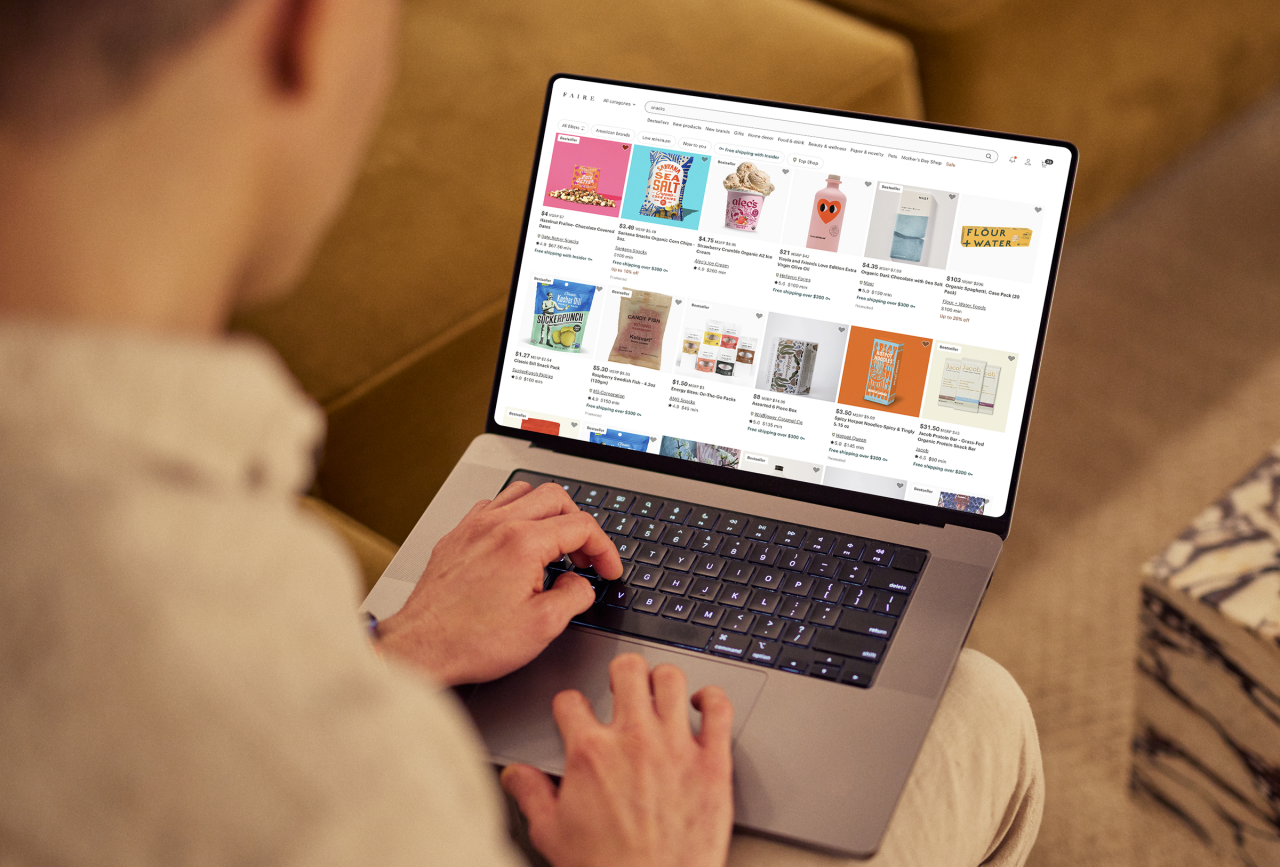
The Core Philosophy: Shift From "Vendor" to "Partner"
In direct-to-consumer (D2C) sales, brands obsess over retention, unboxing experiences, and VIP loyalty programs. Yet, when those same brands pivot into wholesale, that strategic mindset often vanishes entirely.
Wholesale buyers operate under immense pressure. They are balancing cash flow constraints, local foot traffic fluctuations, employee training, and visual merchandising. When a box of your products arrives at their boutique, museum shop, or regional chain, it represents tied-up capital.
If your products sit un-merchandised in their back room because they lack digital assets, or if they gather dust on the shelf because floor staff don't know how to talk about your unique selling proposition, that retailer will not reorder. Worse, they won't complain—they simply won't restock.
Winning the first order is a major milestone, but keeping the shelf space and turning that buyer into a repeat partner is where wholesale businesses actually scale.
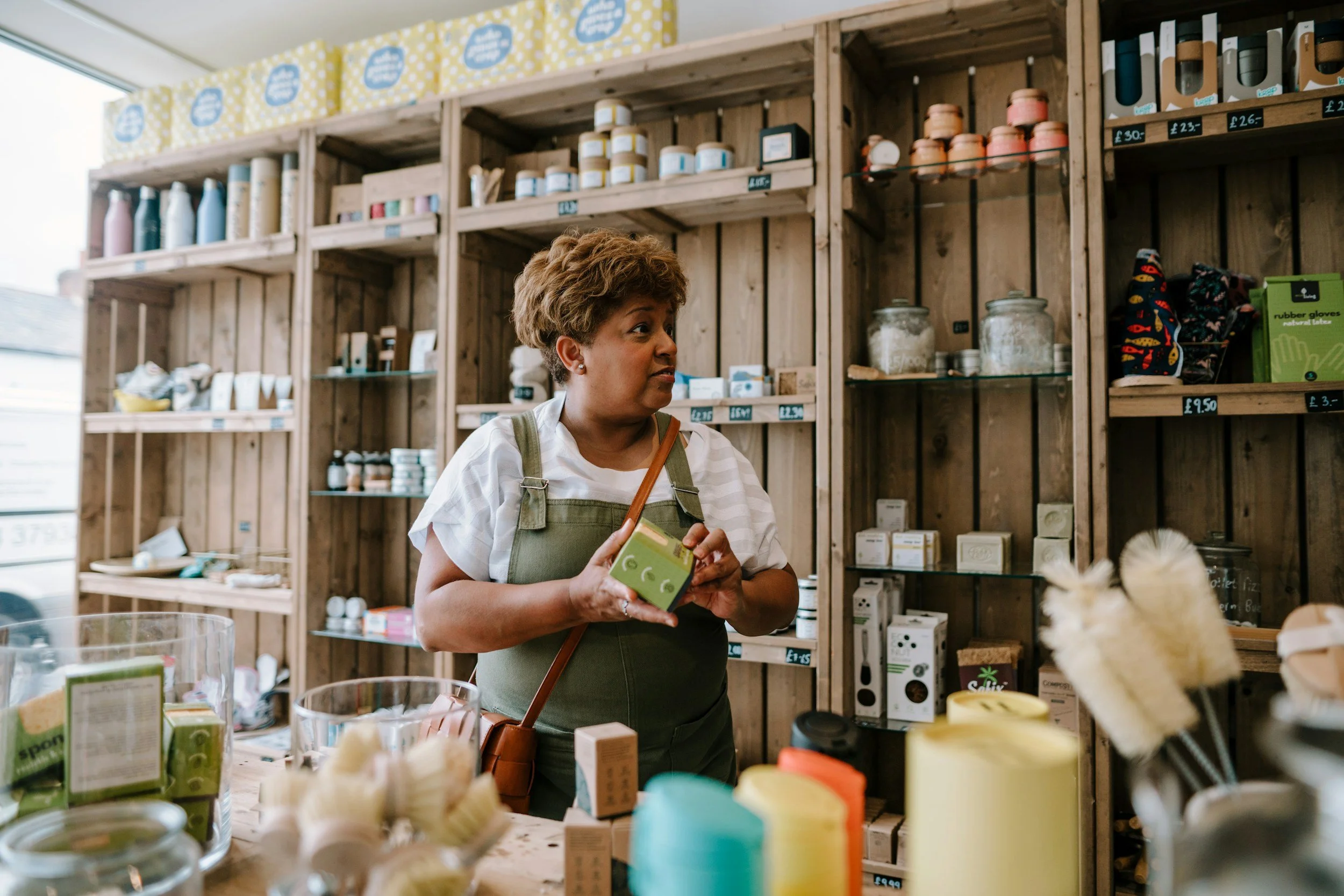
Implement This 90-Day Retention Framework
To bridge the gap between initial fulfillment and predictable, long-term reorders, implement a structured 90-day retention framework designed specifically to deepen the partnership.
Week 1: Send a “Retailer Readiness Kit”
When a new stockist receives your inventory, they are in a critical window of high motivation mixed with operational friction. They need to price the items, merchandise them, and train their team. Make it frictionless for them to sell your goods by sending a digital Retailer Readiness Kit immediately upon delivery.
What should be inside your kit?
Digital Assets: Provide professional lifestyle photos and clean product cutouts that their social media manager can instantly drop into Instagram Stories or TikTok posts.
Staff Cheat Sheets: Create a one-page PDF outlining your product’s core ingredients, origin story, and top three selling points so floor associates can pitch it with absolute confidence.
Merchandising Tips: Share a quick photo guide showing how your products look best displayed on a shelf, pegboard, or countertop spinner.
By setting them up for immediate retail success in Week 1, you dramatically accelerate their sell-through rate, making a future reorder practically inevitable.
Days 30–45: Check In Solely for Feedback
Most brands dread hearing from a retailer a month post-sale, assuming it means a product return or a shipping complaint. Flip that script. Between days 30 and 45, check in solely to ask how things are moving on their floor.
Your message should be humble and collaborative rather than sales-driven:
“Hi [Buyer Name], your opening order shipped a few weeks ago, and I wanted to check in. How are the products performing on your floor so far? Is there any feedback your customers are sharing with your team?”
Even negative critique is absolute gold. If a buyer mentions that an outer packaging box gets easily scuffed on the shelf, you gain invaluable data to fix the flaw before you lose the account. When buyers realize you genuinely care about their profitability, they stop viewing you as a transactional vendor and start treating you as an indispensable business partner.
Days 60–90: Use Marketplace Automations for a Reorder Nudge
By the two-to-three-month mark, inventory velocity tells a clear story. Retailers are chronically busy managing a hundred different brands; they rarely sit down to calculate your exact inventory burn rate. You have to do it for them.
Use your Faire portal or CRM automations to trigger a helpful restock nudge:
For Fast Movers:“Hi [Buyer Name], looking at similar boutique trends, your initial assortment of [SKU] is likely running low. To ensure you don't experience a stockout ahead of the weekend rush, I’ve pulled your previous cart together for a quick one-click restock.”
For Slow Movers: Proactively reach out to offer a marketing push, a digital asset refresh, or a product swap for a faster-moving SKU.
Proactive inventory management shows high operational maturity and proves that your partnership drives consistent revenue for their business.

Measuring Long-Term Wholesale Success
To ensure your transition from opening order to long-term partner is working, track these three vital performance indicators:
Wholesale Reorder Rate (WRR): Monitor what percentage of first-time stockists place a second order within 90 days. A healthy baseline target sits above 40%.
Time Between Orders (TBO): Measure how many days elapse on average between a retailer's first order and their restock. This helps you optimize your Days 60–90 automations.
SKU Expansion: Watch to see if accounts expand into new product lines or seasonal releases over time, signaling a deepening relationship.
Secure the Relationship, Not Just the Sale
Turning a first-time wholesale buyer into a long-term retail partner requires abandoning the "set it and forget it" mindset. By equipping them for success in Week 1, mining feedback at Day 30, and guiding their restocks at Day 60, you transform single-order accounts into lifelong brand advocates.
Getting the first order is a major win—but keeping that shelf space year after year is how you build a thriving, sustainable brand.
Ready to Scale on Faire?
Stop losing profit to post-sale ghosting and unpredictable reorders. Book a discovery call with our team today to see how our custom B2B retention frameworks and optimization strategies can double your wholesale revenue.
