
When you are looking to scale an independent consumer brand, expanding your wholesale distribution is the most effective way to secure predictable cash flow and build long-term enterprise value. If you research how to reach independent boutiques, one platform completely dominates the conversation.
The marketplace's marketing material promises effortless global distribution, instant access to hundreds of thousands of retail buyers, and guaranteed credit protection. On paper, it sounds like an unmissable opportunity.
But as a savvy business owner, you know that no platform is perfect. To make an informed corporate decision, you have to look past the glossy homepage and ask the hard question:
What are the cons of using Faire?
At Sona Wholesale Consulting, we believe in looking at marketplace channels through a cold, numbers-first lens. While the platform is an incredibly powerful B2B customer acquisition engine, it also features significant structural bottlenecks that can crush an unprepared brand.
Here is an honest, unfiltered breakdown of the primary disadvantages of the platform, and how to strategically bulletproof your business against them.
1. High Commission Tiers Can Eat Your Profits

The most common complaint from independent brands revolves around the platform's steep pricing structure. For every brand-new customer the platform introduces directly to your storefront through their organic search loop, they charge an Opening Order commission of 25% plus a $10 flat fee for North American Brands and 25% commission for UK/EU brands.
Once that customer relationship is secured, all subsequent Reorders from that exact same retailer drop down to a permanent 15% commission rate.
If your direct-to-consumer (D2C) margins are already tight, or if you haven't meticulously engineered your Cost of Goods Sold (COGS) for high-volume wholesale pricing, these commission percentages will completely wipe out your profitability.
Many small businesses make the fatal mistake of listing their products without factoring in these platform fees, effectively paying out of pocket to ship inventory to boutiques. To make the platform work, your pricing tiers must be calculated mathematically to absorb a 25% customer acquisition cost while remaining highly profitable.
2. Radical Category Competition and Algorithmic Invisibility

Because the barrier to entry to join the marketplace is relatively low, the platform has become intensely crowded. Every single day, hundreds of new international brands upload their catalogs, meaning your products are competing in a saturated digital ecosystem.
This creates a high risk of algorithmic invisibility. The marketplace does not distribute traffic evenly, its search engine relies on a strict, transaction-based conversion loop that heavily favors established category leaders. If you simply upload your catalog and leave it, your storefront will quickly sink to Page 20 of the search results where no boutique owner will ever find it.
Overcoming this requires an ongoing, highly technical approach to platform-specific SEO, exact tag mapping, and continuous visual merchandising upgrades to force your way to the top of search rankings.
3. The "One-and-Done" Retailer Churn Problem
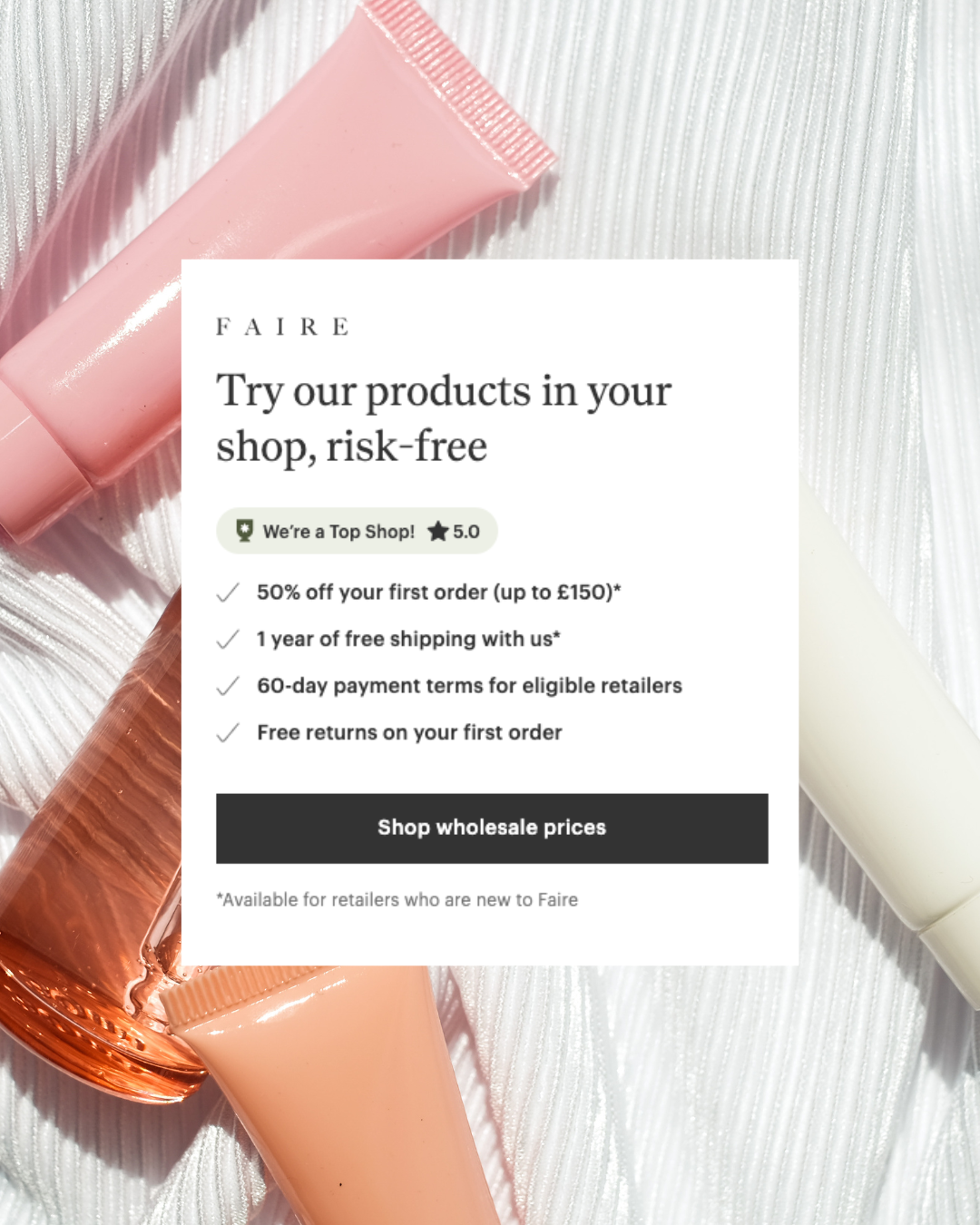
The platform is explicitly designed to make buying completely frictionless and risk-free for independent retailers. Boutiques receive net-60 payment terms and free return shipping on opening orders if a product doesn't sell. While this is fantastic for getting a shop to try your brand for the first time, it creates a culture of low loyalty and high customer churn.
Many product brands suffer from the "one-and-done" opening order trap. They secure a new stockist but fail to implement any post-purchase relationship nurturing, automated follow-ups, or custom lifestyle marketing.
Without an active, structured reorder strategy managed behind the scenes, boutique owners will simply move on to the next shiny new brand on their feed, leaving you with high acquisition costs and zero compounding B2B residual income.
4. Limited Brand Autonomy and Data Silos

When you sell to a retailer through a marketplace portal, that retailer is technically a customer of the marketplace, not a direct asset of your company. The platform heavily restricts how you can interact with your stockists to prevent you from taking transactions off the platform.
You are forced to communicate primarily through their native, siloed messaging app, and you lack total ownership over the end-to-end customer data pipeline. Furthermore, if the platform alters its search algorithm overnight, adjusts its payment terms, or flags your account due to a minor shipping mishap, your entire B2B sales volume can hit a sudden, unexpected cliff.
Relying entirely on the marketplace's native, passive settings without building an external outbound lead generation system leaves your distribution network highly vulnerable.
The Sona Framework: Turning Disadvantages into Competitive Advantages
Recognizing these cons does not mean you should avoid the platform. Instead, it means you need an elite operational framework to neutralize them. At Sona Wholesale Consulting, we help premium consumer brands bypass these common marketplace pitfalls by turning the platform's rules in your favor:
We audit and restructure your wholesale pricing tiers to ensure your margins can effortlessly sustain a 25% opening commission while protecting your baseline profits.
We weaponize your 0% commission Faire Direct links, integrating them directly into your website and email marketing to transition your existing audience over at zero platform cost.
We deploy advanced, platform-specific search architecture and tag mapping to bypass category noise and permanently lock down prime organic visibility.
We install automated reorder sequences and compliance-aware outreach systems to eliminate retailer churn and maximize customer lifetime value.
Stop Guessing Your Way Through Wholesale Expansion
You don't have to sacrifice your hard-earned profit margins or get lost in a sea of competitors. Partnering with an expert team transforms the marketplace from an expensive, frustrating experiment into a highly predictable, hands-free B2B sales engine.
Discover how our clients outmaneuver platform limitations and build durable wholesale momentum by exploring our real-world success metrics on our case studies page, and see how we protect brand equity by reading our verified client testimonials.
Let's look over your product margins, clear out the operational bottlenecks, and conquer the marketplace together.
📞 Book Your 1-on-1 Discovery Call. Let’s perform an honest audit of your Faire wholesale and build a highly profitable marketplace roadmap for your brand.
