
When direct-to-consumer (D2C) brands expand into the wholesale market, they almost always make the exact same copy-and-paste mistake. They grab the highly emotional, poetic product descriptions straight from their Shopify website and paste them directly into their B2B marketplace listings.
Then, they wonder why retail buyers aren't adding their products to their carts.
Here is the fundamental strategic reality: Wholesale buyers read descriptions with an entirely different brain than everyday consumers. A consumer shops for emotion, self-identity, or an immediate shot of dopamine. A boutique owner or corporate retail category buyer shops for strict margin math, shelf-space efficiency, and consumer sell-through predictability.
If your product descriptions read like a lifestyle blog instead of a professional commercial offer, you are actively driving buyers away. At Sona Wholesale Consulting, we engineer high-converting marketplace catalogs every day. Here is the exact B2B copywriting formula you need to follow to turn casual retail browsers into recurring stockists.
1. Lead with the Commercial Value Proposition
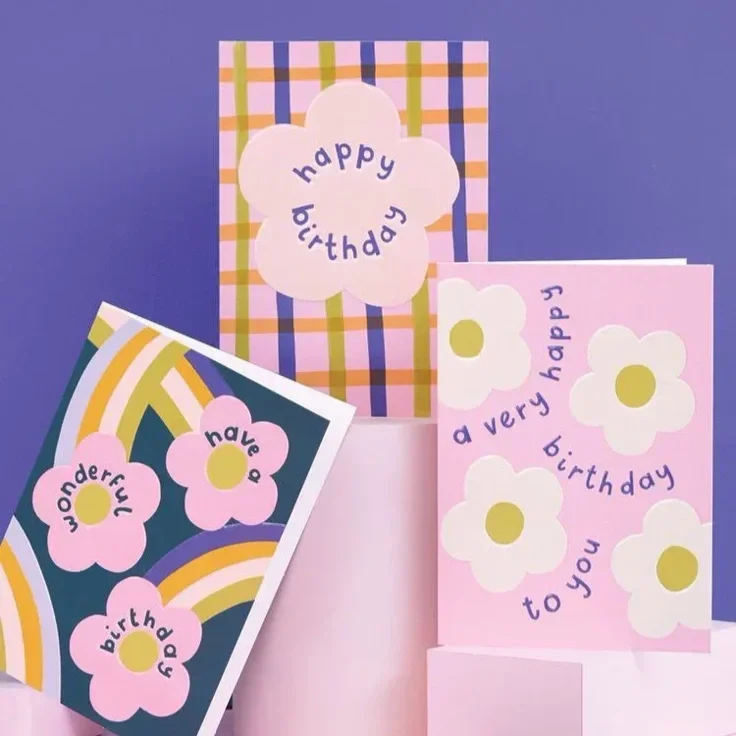
A busy boutique owner does not have the patience to scroll through paragraphs of text to find out what you are selling. Your description must pass the "3-Second Clarity Test." The very first line of your product description should explicitly state what the product is, who it is for, and why it sells.
Instead of writing a vague, poetic opener like “Let the scent of midsummer dreams wash over your home,” a B2B description needs to be highly direct: “Our hand-poured soy wax candles are packaged in shelf-ready amber glass jars, delivering an incredibly high consumer sell-through rate for independent gift and home decor boutiques.”
You must speak immediately to the retailer’s primary desire: stocking products that move off their shelves fast.
2. Weave in Algorithmic B2B Keywords Naturally
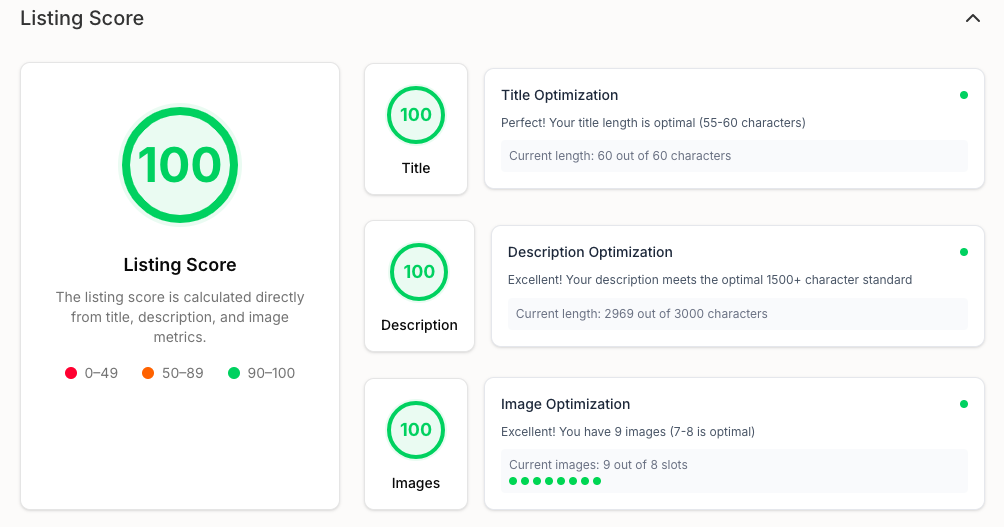
To get retailers to read your descriptions, they have to be able to find your listings first. Marketplace search engines rely heavily on text relevance to index your products. However, keyword stuffing looks unpolished and devalues your brand equity.
The secret is to seamlessly integrate high-volume, retailer-specific search terms directly into your narrative prose. Retailers search using terms like Small Batch Gifts, Shelf-Ready Decor, Eco-Friendly Skincare, or Everyday Luxury.
By naturally placing these exact-match phrases within your product descriptions, you send an undeniable signal to the search algorithm to push your storefront to Page 1, while maintaining a professional, highly readable brand voice.
3. Detail the Crucial "Shelf Mechanics" and Specs
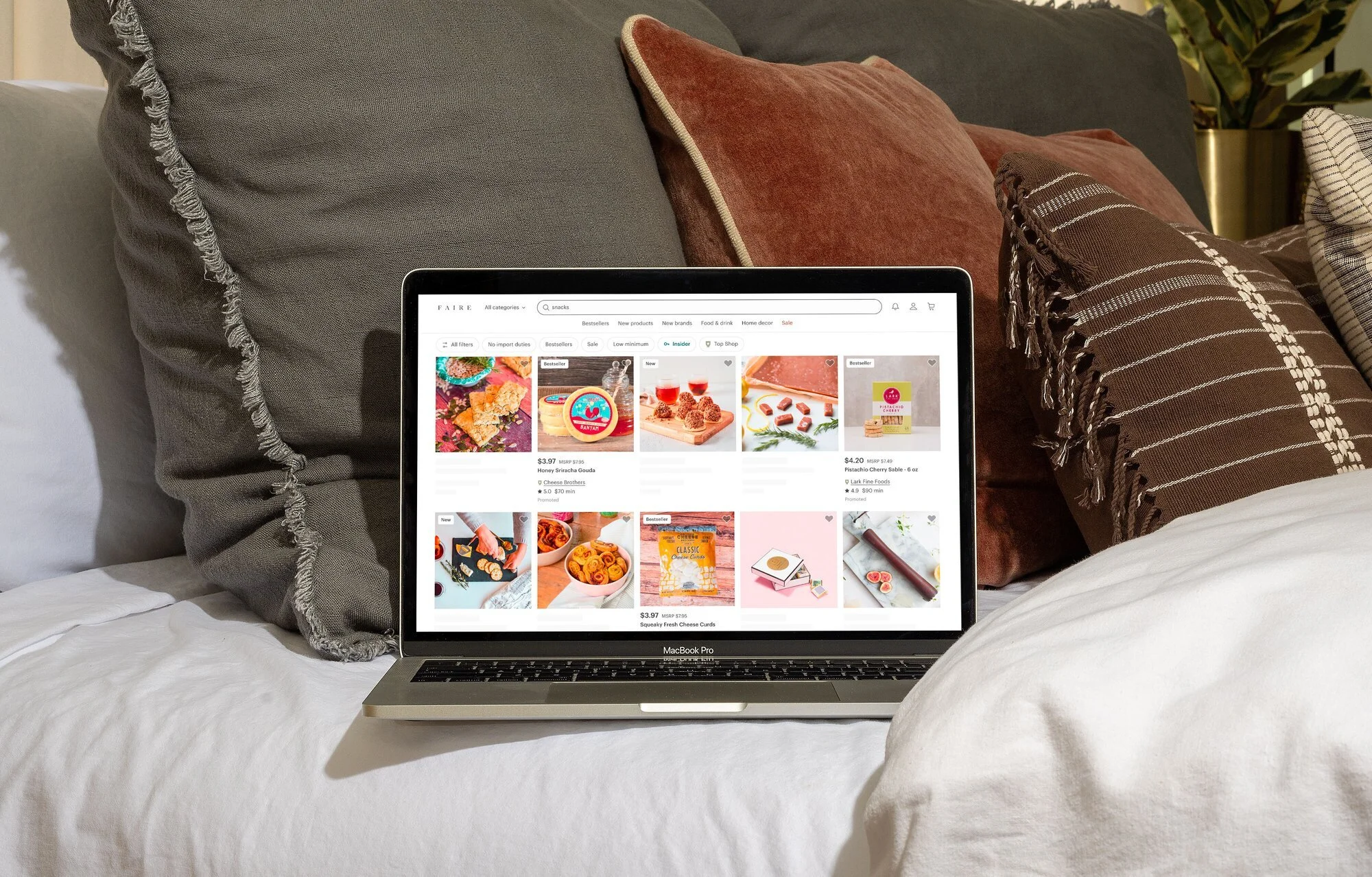
A retail buyer cannot touch, hold, or turn your product around to read the packaging through a computer screen. If your description leaves out technical physical specifications, the buyer will simply bounce to a competitor to avoid the logistical risk.
You must include a dedicated, cleanly formatted paragraph detailing the exact physical realities of the product. Spell out the precise container dimensions, the net weight, the specific case-pack quantities, and the exact shelf life.
Explicitly state whether the product arrives completely retail-ready with pre-printed barcodes (UPCs), clean ingredient labeling, or custom branded display boxes. Removing these informational barriers removes the psychological risk of ordering from a new brand.
4. Provide Explicit Display and Merchandising Guidance

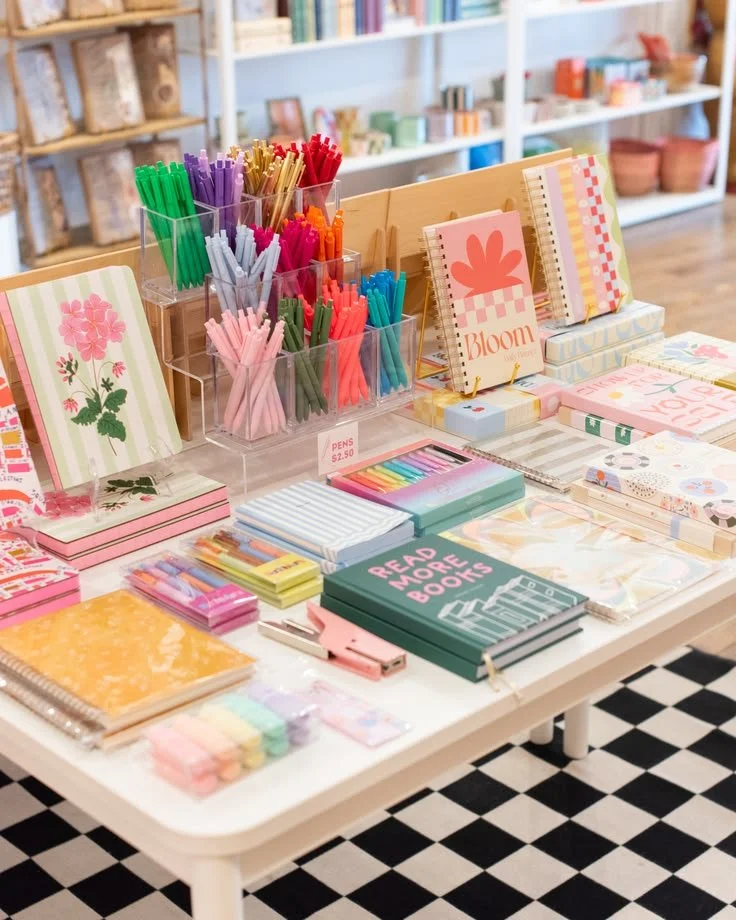
Independent boutique owners are constantly managing physical floor space. They are always trying to figure out exactly how a new product line will look on their tables or counters. You can drastically increase your conversion rates by using your descriptions to paint a clear picture of how to successfully merchandise the items.
Add a dedicated section that offers practical styling advice. Tell them which of your SKUs pair perfectly together to build a complete cross-merchandised seasonal table display.
Suggest the ideal shelf location such as “Perfect for high-impulse point-of-purchase counter displays” or “Sits beautifully alongside premium kitchen textiles.” By guiding their merchandising strategy, you transform yourself from a passive vendor into a valuable retail partner.
The Sona Copywriting Framework: Turning Text Into Revenue
You do not have to guess how to balance search engine visibility with professional B2B sales copy. When Sona Wholesale Consulting takes over your marketplace catalog architecture, we deploy an elite, multi-layered copywriting and optimization framework:
We audit your entire catalog to strip away low-converting D2C prose and install high-performing B2B sales copy.
We execute advanced keyword mapping to inject exact-match retail search phrases into your backend metadata and frontend descriptions.
We clean up product variants and tier structures to eliminate buyer click-fatigue and maximize average order value (AOV).
We ensure 100% platform compliance, protecting your storefront from sudden algorithm penalties or visibility downgrades.
Stop Copying Your D2C Site. Build a True B2B Storefront.
Your product descriptions are not just placeholders, they are your digital sales reps working 24/7 to secure high-volume retail orders. Writing them with a structured, margin-first B2B focus is the ultimate competitive advantage needed to dominate your category and cut through marketplace noise.
Discover how we transform basic listings into elite, high-converting B2B flagship stores by exploring our real-world success metrics on our case studies page, and see how we help independent brands scale safely by reading our verified client testimonials.
Let's stop copying and pasting your consumer site. Let’s look over your catalog and write copy that actually sells.
📞 Click Here to Book Your Free 1-on-1 Discovery Call
Let’s audit your current product descriptions, uncover your biggest hidden keyword opportunities, and build a high-converting catalog roadmap for your brand.
