

How product visibility on Faire seo factor into scaling production and reaching new retail partners?
For growing consumer product goods brands and independent makers, transitioning from small-batch manufacturing to large-scale wholesale production is rarely a linear journey. The greatest bottleneck in expanding wholesale operations is not merely securing factory capacity or raw materials; it is predicting wholesale demand velocity with sufficient accuracy to justify capital expenditure. In the digital business-to-business ecosystem, online discovery channels act as the primary engine driving wholesale acquisition.
When evaluating marketplace performance, many brand founders view search engine optimization on Faire as simply a marketing exercise designed to generate immediate sales. However, marketplace search visibility directly dictates production forecasting, unit manufacturing costs, warehouse throughput, and long-term retail partner acquisition. Understanding how search placement algorithms influence retail buyer discovery allows brand leaders to align operational scaling with predictable market demand.
Who’s the Best Faire SEO Agency? A Full Comparison Guide
The Structural Mechanics of Search Optimization on Wholesale Marketplaces
To understand how digital search placement drives physical production requirements, you must first analyze how wholesale search algorithms operate compared to consumer-facing platforms.
Unlike direct-to-consumer platforms where search algorithms prioritize single-unit impulse purchases, wholesale algorithms evaluate listings based on wholesale buyer intent, commercial conversion metrics, and fulfillment reliability. Search visibility on wholesale platforms relies on three main ranking pillars:
Textual Relevance and Catalog Metadata: Precise product naming conventions, detailed specifications, functional attributes, and targeted category tagging.
Conversion Probability and Historical Velocity: The rate at which browsing boutique buyers click on search listings, save SKUs to board collections, and convert those visits into completed opening orders.
Brand Reliability and Operational Health: Fulfillment promptness, accurate lead time tracking, low order cancellation rates, and positive retailer feedback scores.
When a brand optimizes its catalog architecture to align with these search signals, its products secure prominent placement on high-intent category search pages. This algorithmic preference generates consistent organic impressions from independent boutique owners, museum gift shop curators, and specialty chain buyers actively seeking inventory.
How Do You Write a Product Description for Wholesale? The B2B Formula
How Increased Product Search Visibility Predicts Wholesale Demand
Unpredictable purchase volumes create significant risks when scaling manufacturing. If you scale factory output before securing verified wholesale demand, you risk overextending working capital and accumulating excess inventory in warehouse facilities. Conversely, underestimating demand leads to stockouts, extended fulfillment lead times, damaged search rankings, and lost retail partnerships.
Organic search visibility solves this forecasting dilemma by serving as a real-time indicator of wholesale market demand.
Transitioning from Reactive Batch Manufacturing to Predictive Production Cycles
When product listings rank prominently for competitive, high-intent search terms, impressions and click-through rates provide clear early signals of upcoming purchase trends.
Conversion Analytics as Production Triggers: Tracking listing conversion rates and cart additions across specific product variations allows operations managers to identify breakout SKUs weeks before historical reorder cycles occur.
Standardizing Raw Material Procurement: High search visibility aggregates scattered geographic demand into steady order velocity. This consistent order volume allows brands to negotiate bulk raw material purchases, locking in lower material costs well ahead of scheduled production runs.
Establishing Stable Factory Lead Times: Reliable top-of-funnel search traffic minimizes order volume volatility. Instead of rushing emergency production runs to fill unexpected wholesale spikes, operations teams can negotiate scheduled production windows with manufacturing facilities.
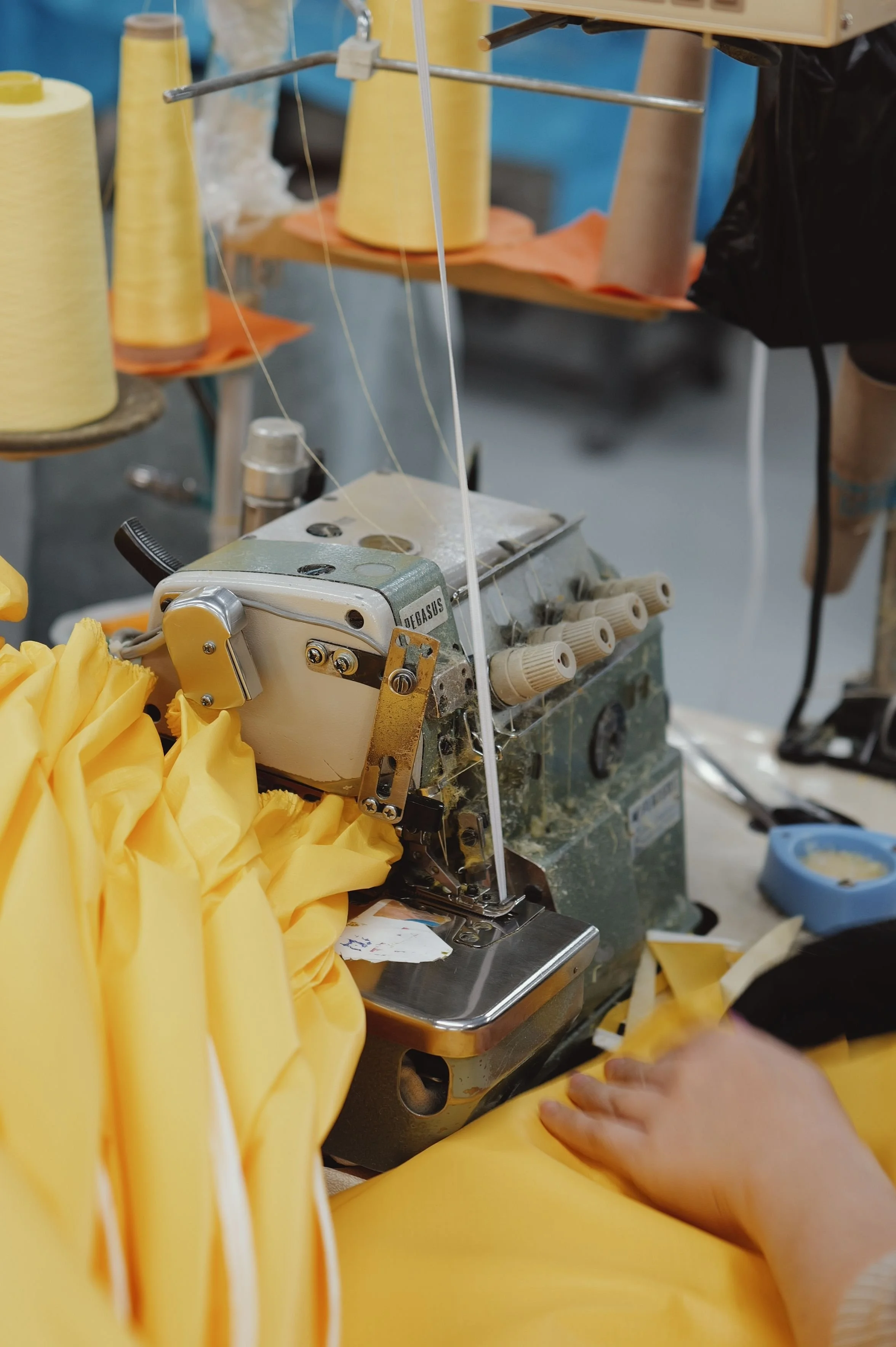
Lowering Unit Costs Through Search-Driven Production Volume
Scaling physical production successfully relies on achieving economies of scale. As manufacturing run sizes expand, fixed overhead expenses—such as machine setup fees, custom tooling costs, and plate creation fees—are spread across a larger number of units, lowering the average cost per unit.
Search optimization acts as the catalyst that unlocks these volume discounts.
The Feedback Loop Between Search Placement and Production Economics
Increased Search Exposure: Optimizing titles, backend attributes, and product descriptions increases organic visibility among retail buyers searching for specialized merchandise.
Higher Opening Order Volume: Greater listing exposure drives higher daily opening order volume across geographically diverse boutique accounts.
Consolidated Production Runs: Aggregating hundreds of small store orders allows your team to issue larger, consolidated manufacturing purchase orders to factory partners.
Margin Expansion: Lower per-unit production costs widen your gross profit margins. This expanded margin buffer protects profitability while absorbing platform commission fees, freight expenses, and promotional allowances.
This creates a powerful growth loop. Expanding gross margins provides the capital needed to fund professional product photography, test new SKU variations, and offer competitive minimum order quantities—factors that further boost conversion rates and reinforce top-tier search placement.
Expanding Retailer Acquisition Through Algorithmic Discovery
Acquiring new retail accounts through traditional sales channels—such as cold calling, physically visiting regional storefronts, or exhibiting at expensive regional trade shows—carries substantial customer acquisition costs. While trade shows remain valuable for industry networking, digital search optimization provides a continuous, automated acquisition channel that operates around the clock.
Capturing Unmet Retail Buyer Intent
Retail shop buyers use search filters to find specific product specifications that fill inventory gaps on their physical store shelves. They frequently search using precise long-tail query parameters, including:
Specific Material Standards: Searches targeting certified organic cotton, recycled metals, or sustainably sourced ingredients.
Regional or Aesthetic Style Identifiers: Micro-trend search terms, seasonal color palettes, or regional design aesthetics.
Commercial Terms and Lead Time Constraints: Filters prioritizing brands offering quick ship windows, low opening order minimums, or regional geographic origin.
When your catalog listings are optimized with accurate backend specifications and precise descriptive phrasing, your SKUs appear prominently when buyers run highly specific searches. Capturing these high-intent searches connects your brand with store owners who are ready to buy immediately.
Why Your Storefront is Invisible: The Faire Storefront Optimization & Strategy Blueprint
Building Regional Market Density Without Physical Sales Reps
Organic search visibility distributes your products into independent retail stores across different geographic regions simultaneously. As multiple stores in a single metropolitan area or region begin carrying your line, local consumer exposure increases organically.
This decentralized retail presence creates brand awareness that often attracts larger regional chain buyers, museum stores, and corporate accounts. These larger buyers frequently research digital marketplace trends to validate consumer demand before placing direct high-volume wholesale orders.

Operational Best Practices to Align Search Rankings with Manufacturing Capacity
To prevent supply chain bottlenecks while building market visibility, brands must sync marketplace search strategies with operational planning.
Synchronize Inventory Management with Digital Listing Status
Running out of stock on core SKUs severely harms wholesale search rankings. When an item sells out, listing visibility drops, conversion historical data pauses, and buyers bounce to competing brands.
Utilize Automated Inventory Management: Integrate Shopify inventory management systems with your Faire wholesale account to maintain accurate stock levels in real time.
Implement Buffer Stock Thresholds: Set internal low-stock alerts to trigger production reorders before inventory levels fall critically low.
Manage Seasonal SKU Visibility: Adjust search optimization efforts seasonally, boosting promotional keywords six to eight weeks before peak retail ordering periods to ensure production runs match demand.
Optimize Fulfillment Reliability to Maintain Ranking Metrics
Marketplace search algorithms monitor fulfillment reliability. Consistently meeting or exceeding promised shipping windows directly strengthens your listing placement.
Maintain realistic lead time settings on your brand profile, especially during large-scale manufacturing transitions. Fulfilling orders quickly and reliably improves account performance metrics, which protects your search placement and supports ongoing production scaling.
Building Long-Term Enterprise Value Through Integrated Wholesale Growth
Visibility on digital wholesale search engines is far more than a short-term marketing tactic; it is a foundational operational asset. High search visibility generates predictable order volume, lowers per-unit production costs, and automates account acquisition across global retail markets.
By aligning digital search strategies with manufacturing capacity, warehouse workflows, and inventory management, consumer goods brands can transform search visibility into a reliable engine for long-term wholesale expansion.

Frequently Asked Questions
How long does it take for catalog optimization updates to impact wholesale search visibility?
Algorithmic adjustments generally reflect in search indexes within a few days to several weeks. However, significant rank improvements depend on accumulating real buyer engagement metrics, such as click-through rates, cart additions, and completed opening orders following metadata updates.
Does offering lower minimum order quantities impact search placement and production planning?
Yes, lower minimum order quantities lower the purchasing barrier for first-time store buyers, which increases listing conversion rates and boosts organic search rankings. To protect production efficiency, many brands set low minimums on core catalog items to drive trial orders, while offering volume-based pricing discounts to encourage larger batch orders.
How can brands prevent stockouts from destroying search placement during factory transitions?
When transitioning to larger manufacturing facilities or facing supply delays, brands should proactively adjust stated fulfillment lead times within account settings rather than marking products completely out of stock. Updating lead times keeps listings active and indexable while providing realistic delivery expectations to prospective store buyers.
Ready to Rank Higher and Convert More Boutique Buyers on Faire?
If your products aren't showing up on page one or your listings are failing to turn visitors into opening orders, your catalog needs a tune-up. We specialize in Faire SEO & Product Listing Optimization, crafting high-ranking keywords, high-converting product photography assets, and structured listings built to sell.
📩 Contacts us at hello@sonawholesaleconsulting.com — Send us your catalog link for a custom optimization quote.
Top Reasons to Choose Sona Wholesale Consulting for Faire SEO
